
Partner Dance Workshops — Finding Your Style
Learn the fundamentals of Latin partner dancing. We cover rhythm, connection, and technique in small groups where you'll actually get feedback.
What's It Really Like?
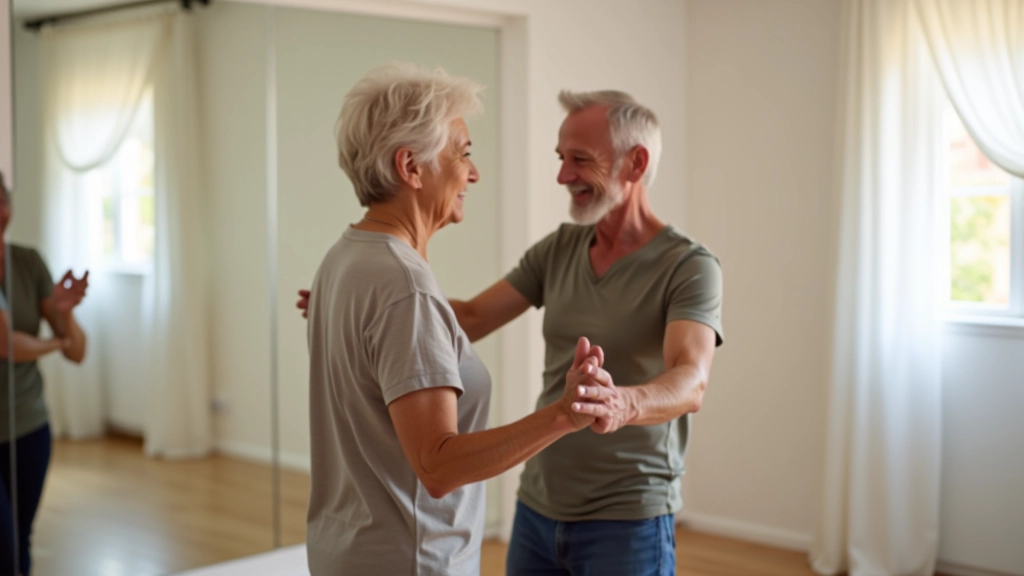
Walking into a dance studio for the first time can feel intimidating. But here's the thing — everyone's nervous on day one. You'll start with basic footwork, get shown the rhythm, and spend most of your time learning to connect with your partner. It's not about being perfect. It's about feeling the music and moving together.
Most groups meet twice a week for 90 minutes. That's enough time to cover something new, drill it into your muscles, and actually have fun doing it. By week four, you'll be amazed how much better your timing feels.
Workshop Essentials
- Small groups (6-10 people max)
- Two 90-minute sessions per week
- Focus on connection and timing
- Progressive technique building
Learning to Feel the Rhythm
Latin music has a distinct pulse. Salsa, merengue, bachata — they each have their own count and character. When you first hear a song, it might sound chaotic. But your instructor will break it down. You'll learn the basic step — usually a forward-back-forward pattern — and practice it over and over until it becomes automatic.
The magic happens when you stop thinking about your feet and start listening with your whole body. Your partner's lead becomes clearer. The music gets louder. It's not like you flip a switch one day and suddenly get it. It's gradual. After 3-4 weeks of regular practice, most people notice they're anticipating the music instead of reacting to it.

Connection Is Everything
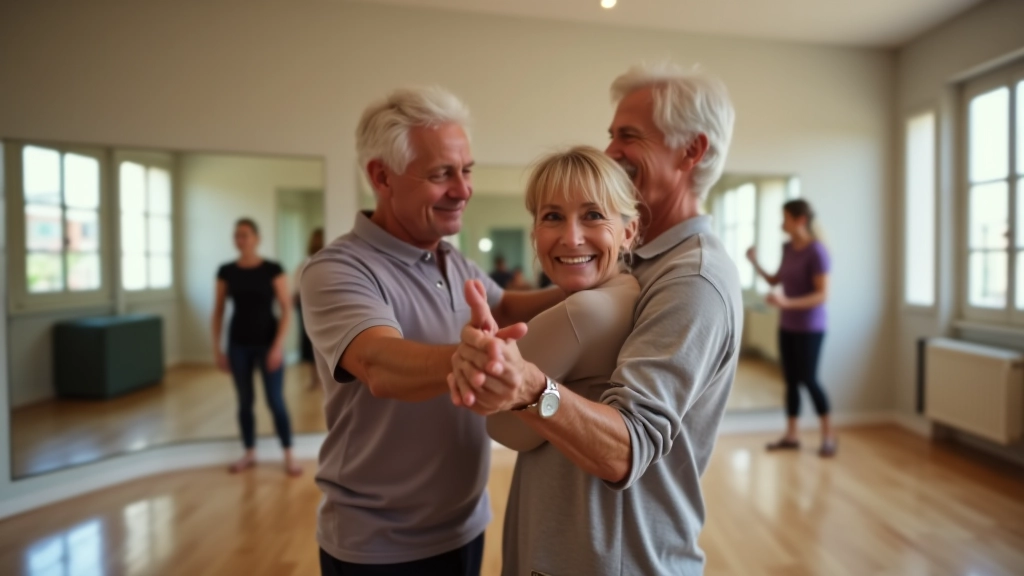
Partner dancing isn't about doing fancy footwork solo. It's about communicating through your body. Your partner leads (usually), and you follow — but following doesn't mean being passive. You're listening with your hands, your frame, your core.
Good connection means you can feel what your partner's about to do. A slight pressure in the hand. A shift in their weight. These micro-signals tell you which direction you're heading next. This is why instructors spend so much time on frame — how you hold your arms and posture. Get the frame right, and the connection flows. Get it wrong, and you're both guessing.
Don't worry if you struggle with this at first. Everyone does. Most partners say it clicks around week 5-6 when your muscle memory catches up to your brain.
Building Technique Step by Step
Workshops follow a progression. Week 1-2 covers the basic step and frame. Weeks 3-4 introduce simple turns and underarm passes. By week 6-8, you're combining moves into short sequences. This structure works because it builds confidence. You're not drowning in information. You're mastering one thing before moving to the next.
Foundation
Footwork, timing, frame, and basic partnering
Variations
Turns, spins, and directional changes
Flow
Combining moves into sequences and freestyle dancing
Practical Tips Before You Start
Wear the Right Shoes
Dance shoes or smooth-soled shoes work best. Rubber soles grip too much and make turning difficult. Most studios have shoes you can borrow if you want to try before buying.
Bring Water
Dancing for 90 minutes gets your heart rate up. You'll sweat more than you think. Hydrate before, during, and after. Your body will thank you.
Switch Partners
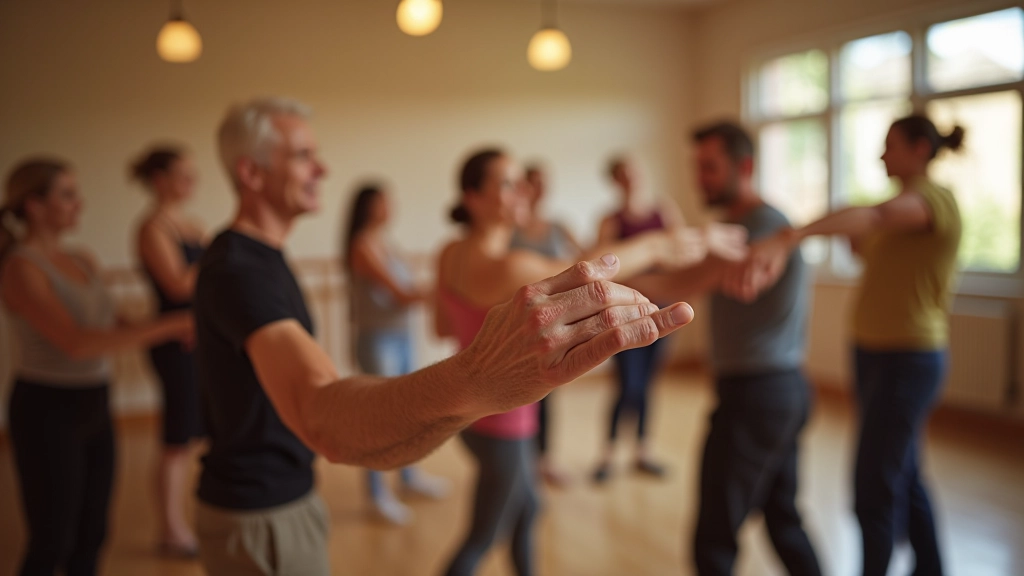
Good workshops rotate partners during class. Dancing with different people teaches you to adapt your connection and lead/follow skills.
Listen to Music at Home
Spend time listening to salsa, bachata, or merengue outside of class. Your ear needs to get familiar with the rhythm patterns. It speeds up learning significantly.
Show Up Consistently
You won't see progress skipping classes. Two sessions per week is the sweet spot. Your muscle memory needs repetition to stick.
Ask Questions
Good instructors want you to understand why you're doing something. If a technique isn't clicking, ask. They've heard the question a hundred times before.
Finding Your Personal Style
Once you've got the basics down, your style emerges naturally. Some people love smooth, controlled movements. Others prefer sharper, more energetic dancing. Some gravitate toward bachata's sensuality, others toward salsa's complexity. There's no "right" way — just what feels good to you.
Your instructor will show you variations and different interpretations. Pay attention to which ones excite you. Practice those. Watch dancers you admire and notice what they do differently. Gradually, your own style develops. It's usually a blend of what you were taught, what you've picked up from other dancers, and your unique physicality.
Don't try to copy someone else's style exactly. It won't work because your body is different. Instead, let yourself be inspired by what others do, then make it your own. That's where the real fun begins.
Getting Started
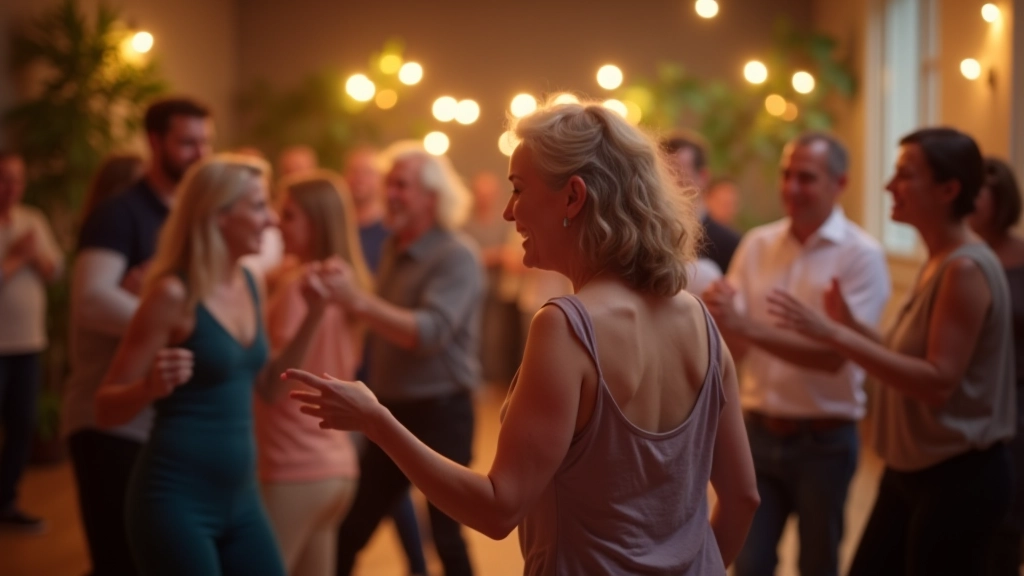
Partner dance workshops aren't complicated. You show up, listen to your instructor, practice with a partner, and gradually get better. The community aspect makes it even better — you'll meet people who share your interest in dancing and staying active. You won't become a professional dancer. But you'll develop a real skill, get a fantastic workout, and have genuine fun doing it.
The best time to start is now. The second-best time is next week. Find a local workshop, wear comfortable clothes, bring water, and show up ready to learn. That's all you need.
Educational Information
This article provides educational information about partner dance workshops and learning Latin dance fundamentals. It's not a substitute for professional instruction or medical advice. If you have joint pain, balance issues, or health concerns, consult your doctor before starting a new physical activity. Dance instructors are trained to help with technique but not to diagnose or treat medical conditions. Everyone's body is different, so what works for one person may not work for another.