Seasonal Dance Festivals Along the Algarve Coast
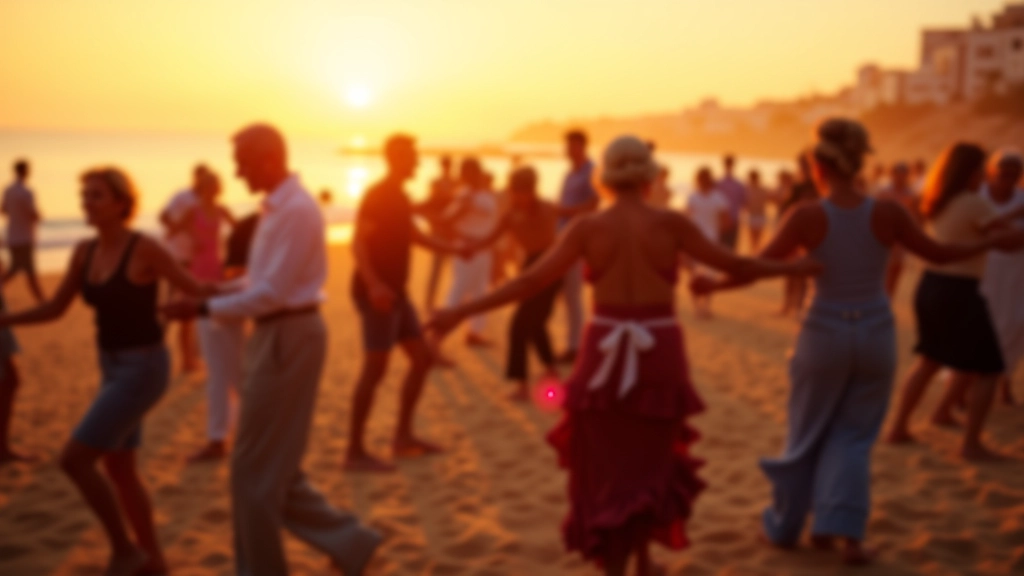
Summer brings outdoor festivals where you'll dance under the stars with musicians, local performers, and people from across Portugal. We've put together everything you need to know about these vibrant celebrations.
What Makes These Festivals Special
If you've been thinking about dancing outdoors, these festivals are honestly the best introduction. It's not just about the dancing — though there's plenty of that. You'll meet people, feel the energy of a real community, and probably discover music you'd never heard before.
Most festivals run from June through September. They're free or cost just a few euros. The atmosphere? Relaxed and welcoming. Nobody's judging. Everyone's there to have fun, whether they're beginners or they've been dancing for decades.
12+
Major festivals annually
4
Months of celebrations
Free
Most events to attend
The Festival Calendar
Here's where to find the biggest celebrations throughout the season
June
Festa da Música — Lagos
The summer season kicks off with this week-long music and dance celebration in the old town. You'll find live bands, local performers, and open-air dance floors set up along the waterfront. The vibe's relaxed — there's room for everyone, from spectators to active dancers.
Old Town, Lagos Waterfront
Early June (10 days)
July
Vilamoura Summer Festival
This one's bigger — multiple stages, professional dancers, and a real festival atmosphere. You'll see everything from samba to Latin ballroom. The dancing happens right on the marina with ocean views. Bring comfortable shoes and arrive early for good spots.
Vilamoura Marina
Mid-July (14 days)
August
Albufeira Street Dance Week
More intimate than Vilamoura but still energetic. Street performers, local bands, and community dancers fill the pedestrian zone. What's great here? You can watch from nearby cafés, grab a drink, and dance whenever you feel like it. Very flexible atmosphere.
Albufeira Old Town Streets
Early August (7 days)
September
Tavira Festival — Silves
The season winds down with this celebration in the castle town. Smaller crowds, cooler weather, and a focus on traditional Portuguese music alongside Latin styles. The setting's beautiful — dancing with castle walls lit up at night is something special.
Silves Castle Area
Late September (5 days)
What the Experience Actually Feels Like
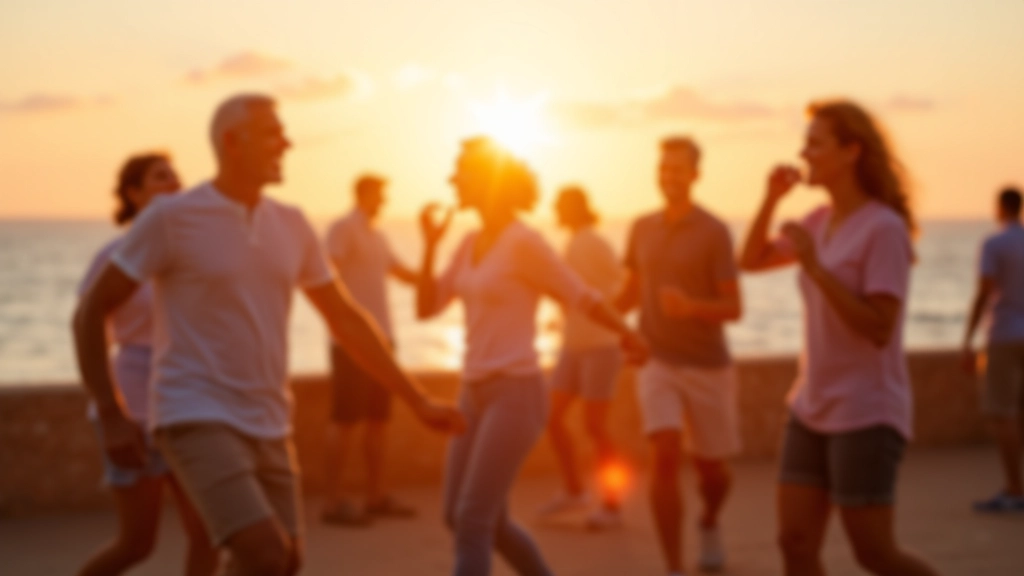
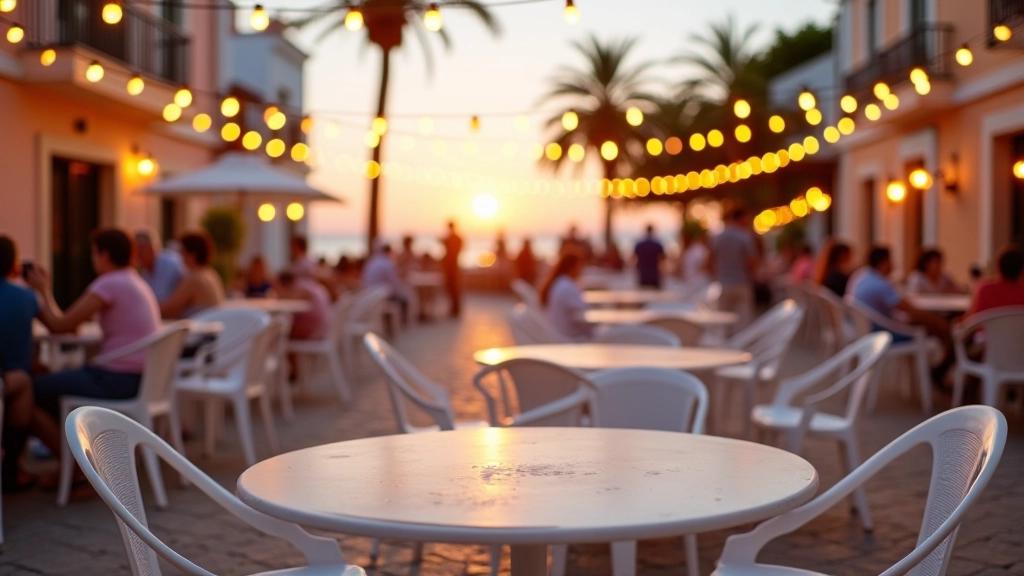
You'll arrive in the late afternoon when vendors are setting up food stalls. The smell of grilled fish and wine fills the air. By early evening, the first performers take the stage. That's when the energy shifts.
The music starts. You'll see couples moving to rhythms you recognize from lessons, plus plenty of people just enjoying the moment without any formal training. The beautiful part? Nobody's watching to critique. Everyone's too busy having their own experience.
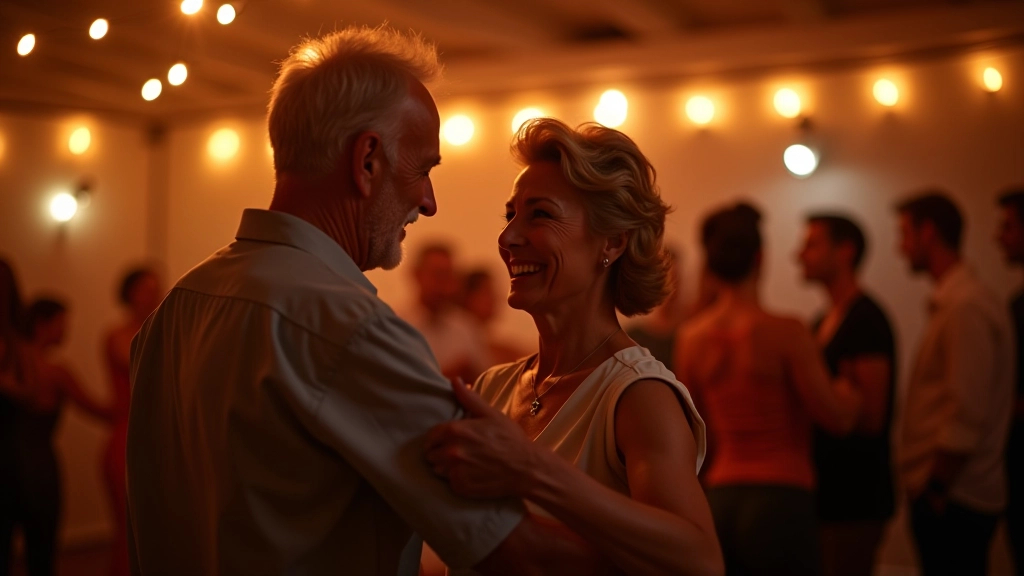
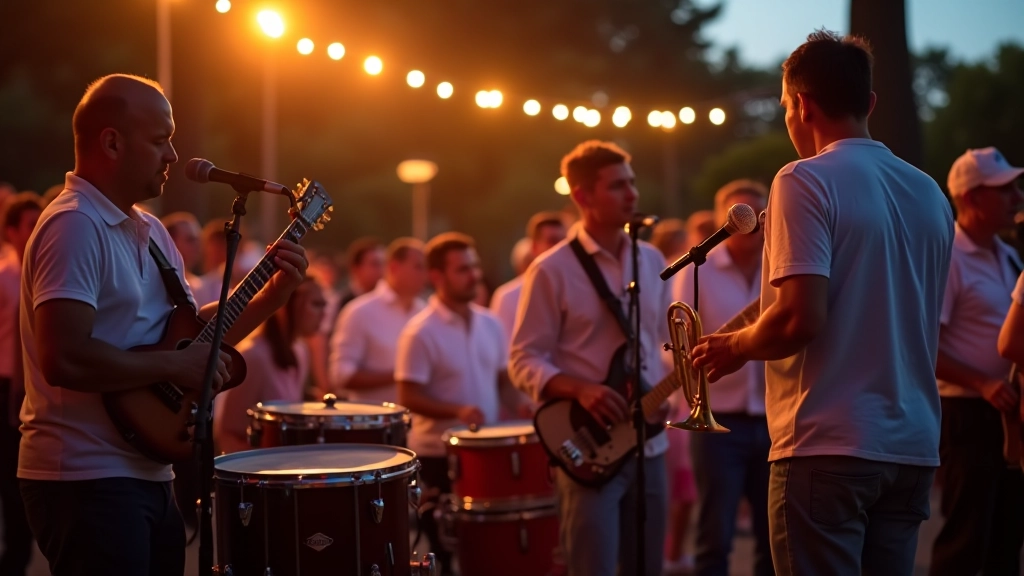
Most festivals have a mix of styles. One set might be samba, the next kizomba, then some traditional Portuguese folk. This means you'll probably find music that speaks to you. And if you're dancing with someone? Even better. The energy between partners becomes part of the whole atmosphere.
Pro tip:
Bring a light sweater. Even in summer, evenings cool down by
10 PM, especially near the coast. The breeze comes off the
water.
Practical Details for Your Visit
Getting There
Most festivals are in town centers with paid parking nearby. If you're driving from outside the Algarve, plan for traffic during July and August — arrive earlier than you think you need to. Public transport? Buses connect major towns. It's worth checking schedules ahead of time since evening service varies.
What to Wear
Comfortable shoes are non-negotiable. You'll be on your feet for hours. Many people wear casual summer clothes — light pants or dresses. Flip-flops aren't ideal if you're actually dancing, but they work fine if you're mainly sitting and watching.
Costs
Most festivals are completely free. Some charge 5-10 euros for reserved seating or special events. Food and drinks cost what you'd expect in any coastal town — 3-4 euros for a beer, 8-12 euros for a meal. Budget accordingly if you're staying all evening.
Best Times to Go
Weekday evenings are less crowded. Weekends draw bigger crowds but have more energy. If you prefer a relaxed experience, aim for Tuesday through Thursday. The actual performances usually start around 9 PM and run until midnight or later.
Making the Most of Your Festival Experience
1
Go with someone or make friends early
Having a partner changes everything. But if you're going solo, strike up a conversation at the food stalls. Festival crowds are genuinely friendly.
2
Watch before you dance
Spend the first hour observing. See how people move, what the floor's like, where the energy is. You'll feel more confident joining in after you've gotten a sense of things.
3
Bring water and hydrate
Dancing under lights gets warm fast. You'll sweat more than you realize. Most festivals have water vendors, but it's cheaper to bring your own.
4
Don't stay the entire time
Two to three hours is perfect. You'll catch multiple performances, dance several songs, and still have energy. Staying all night works if you're younger or more experienced.
5
Respect the performers' space
There's usually a designated stage area. Professionals perform there. Dance floors are separate. Know the difference and you'll fit in naturally.
6
Bring your phone charger
Some venues have charging stations. Others don't. A portable battery is smart if you want to navigate afterward or call a taxi home.
The Music You'll Hear
The playlist varies by festival, but you'll definitely encounter these styles. If you've taken any dance classes, you'll recognize the rhythms.
Kizomba
Smooth, sensual rhythms from Angola. Slower tempo, lots of body connection. You'll see couples moving closely together, very romantic atmosphere.
Salsa
Fast-paced, energetic, Latin. Quick footwork and lots of turns. This is where you'll see people really showing off their technique.
Samba
Brazilian rhythms with hip movement. Playful and joyful. This one brings the biggest smiles from the audience.
Bachata
Romantic Dominican style. Slower than salsa, with a distinct rhythm pattern. Very popular with couples.
Why These Festivals Matter
These aren't just events where people dance. They're gatherings where communities come together. You'll meet locals who've been dancing for decades alongside visitors discovering their first taste of outdoor celebration. That mix is what makes them special.
If you've been thinking about trying outdoor dancing or want to expand beyond your regular classes, summer festivals are the perfect gateway. Low pressure. High energy. Everyone welcome. The Algarve's coastline provides a stunning backdrop, the music's live and authentic, and the people? They're genuinely glad you're there.
Pick a festival. Pick a date. Show up in comfortable shoes. We're pretty confident you'll come back for another one before the summer ends.
Ready to experience dance in a new setting? Check out our guide to partner dance workshops to prepare for the festival season.
Explore Partner Dance WorkshopsImportant Information
This guide is for informational purposes. Festival dates, locations, and programming may change seasonally. We recommend checking official festival websites or contacting local tourism offices before planning your visit. Always ensure you have appropriate travel arrangements and insurance. Outdoor events are subject to weather conditions. Dance at your own pace and listen to your body — if you have any health concerns, consult with a healthcare professional before participating in physical activities.

Related Articles