
Raltex Logo Raltex Contact Us
Contact Us
12 min read Beginner April 2026

Kizomba Evenings in Faro — What to Expect

Weekly gatherings where you'll dance with partners, meet new people, and enjoy live music. No experience needed — beginners are welcome every single week.

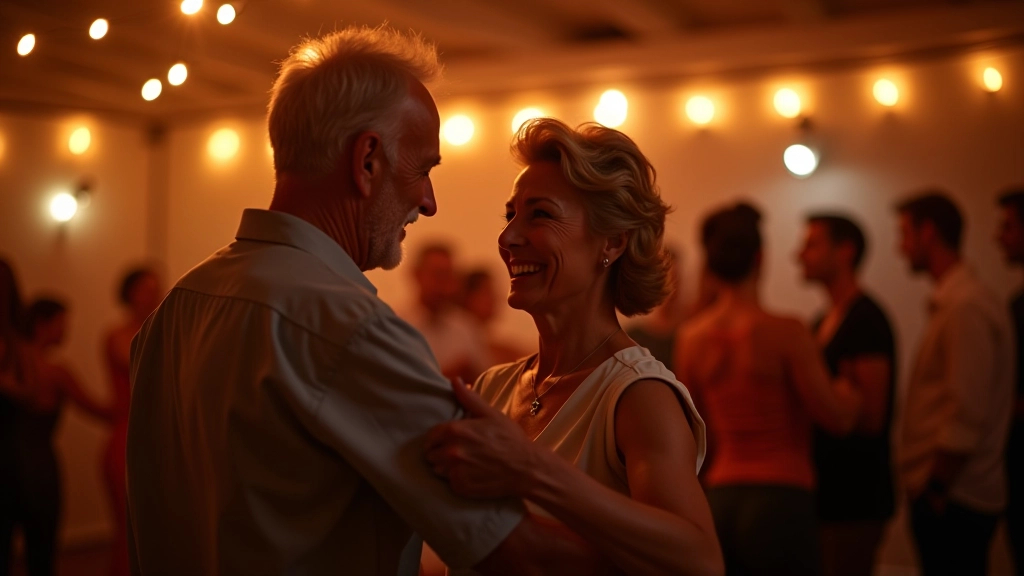
Seniors dancing together at an evening kizomba event in Faro, Portugal with warm ambient lighting and joyful expressions

Why Kizomba Matters

Kizomba isn't just a dance — it's a social experience that brings people together. You're not learning choreography in a studio; you're joining a community that values connection, rhythm, and having fun. The beauty of these Faro evenings is that there's zero pressure. Everyone's there for the same reason: to move, enjoy music, and spend time with others who get it.

Most people arrive nervous. By the end of the evening, they're laughing with new friends and already planning to come back. That's what these gatherings are really about.

How the Evening Works

The typical kizomba evening runs from 8:00 PM to 11:00 PM. It's not a rigid schedule — people drift in around 8:15, and things get rolling gradually. There's usually a 20-minute social warmup where folks grab a drink, chat, and get comfortable. Then the DJ or live musician starts, and the dancing begins.

The flow alternates between group dances and partner work. You'll do a few open songs where everyone dances together — no fixed partner, just movement and rhythm. Then comes the partner dancing, where people pair off. If you're solo, experienced dancers will invite you, or you can ask someone yourself. It's completely normal and expected.

Around 10:00 PM, there's usually a break. People sit, hydrate, chat. Some leave; others stay for the final hour. The last songs are often slower, more intimate pieces — perfect for showing off what you've learned that evening.

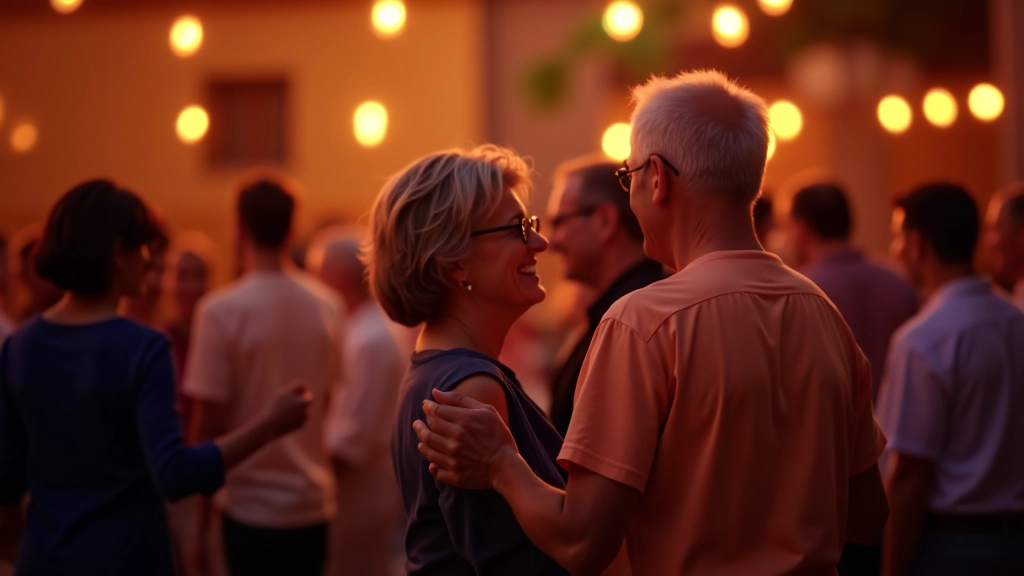
Group of seniors gathered at a kizomba event in Faro, some dancing while others watch and socialize with drinks in hand
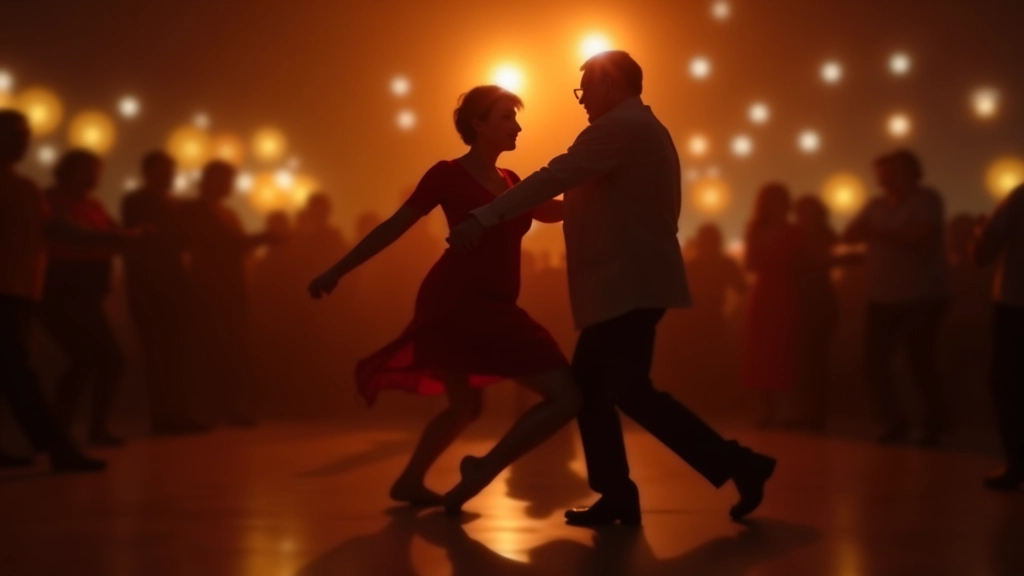
Close-up of dancing feet and lower body of senior couple performing kizomba with smooth footwork and connection

What to Expect as a Beginner

First-timers often worry they'll mess up or feel out of place. Here's the reality: most people at these evenings are either beginners or returning beginners. You're not walking into a room full of experts. The experienced dancers remember what it was like, and they're genuinely happy to help.

The basic step takes about 15 minutes to understand. It's a simple 4-count rhythm — forward, side, back, together. Once that clicks, you can follow most partners through an entire song. The rest is just practice and getting comfortable with the music.

Wear comfortable shoes with a smooth sole — something you can glide in without catching. Avoid hard rubber soles. Casual clothes work fine; this isn't formal. Bring water and arrive early so you're not rushed.

Practical Tips for Your First Evening

Arrive Early

Show up by 8:15 PM at the latest. You'll get oriented, meet the organizers, and have time to chat before the music starts. It removes the anxiety of walking in late when dancing's already happening.

Don't Skip the Warm-up

Use those first 20 minutes to get your body loose. Move around, stretch gently, let your joints wake up. Dancing for 2+ hours uses muscles you might not use daily.

Ask Questions

If you're unsure about the rhythm or a movement, ask your partner or a nearby dancer. Everyone's been there. People appreciate genuine questions way more than silent confusion.

Stay Hydrated

Bring a water bottle or grab drinks during breaks. Three hours of movement dehydrates you faster than you'd expect, especially if it's warm.

Have Realistic Expectations

You won't be smooth after one evening. You'll feel a bit clumsy, and that's completely normal. Real improvement happens over 6-8 weeks of regular attendance.

Connect with Others

Exchange numbers or social media with people you click with. These friendships often extend beyond the dance floor — dinners, coffee, other activities.

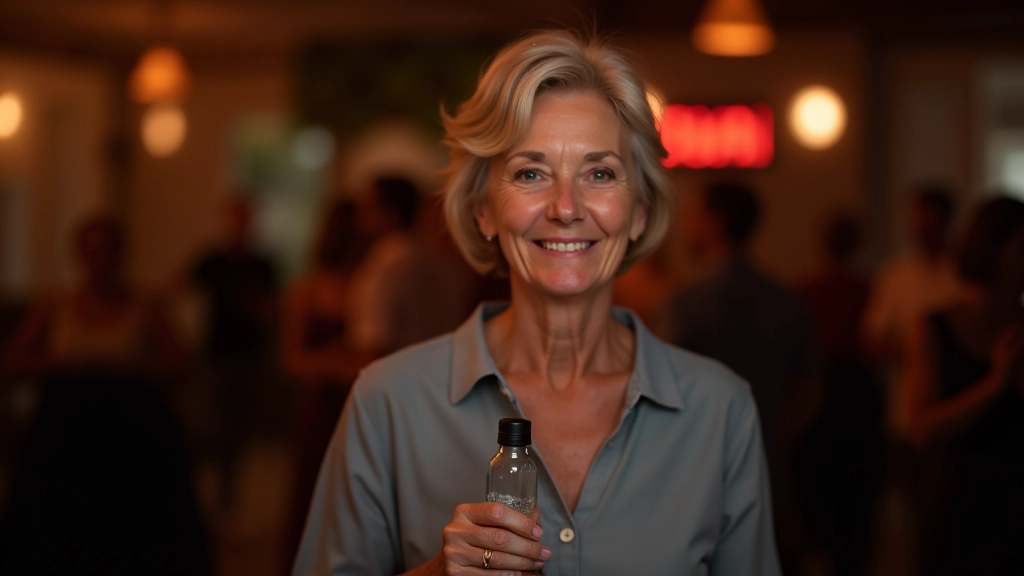
Smiling senior woman standing confidently in a dance venue, holding a water bottle, wearing casual comfortable dance clothing

The Real Atmosphere

What makes Faro's kizomba evenings special is the vibe. It's not competitive. There's no judgment, no ranking, no "you're doing it wrong." People are there because they enjoy the music, the movement, and the company. You'll hear laughter — a lot of it. You'll see couples who've been together for decades dancing with eyes closed, completely present. You'll watch beginners light up when they nail a rhythm for the first time.

The age range is wide — 45 to 80+. Everyone moves at their own pace. Some people dance every song; others sit out a few, conserving energy. Both are perfectly fine. The organizers usually announce the theme or music style for each set, so you know what's coming and can choose what suits you.

Most people who come once keep coming. Not because they're forced or obligated, but because they find something genuine in the experience — movement, friendship, music, and the feeling of being alive in your body.