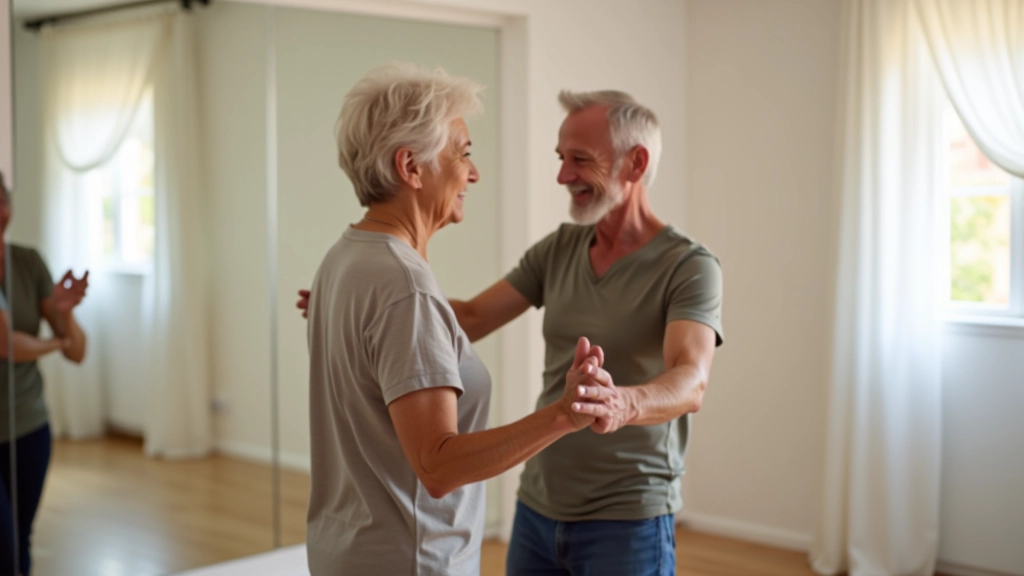

Staying Fit Through Latin Dance — Practical Tips
Dancing isn't just fun — it's legitimate cardio and strength work. Find out why doctors actually recommend it for joint health.
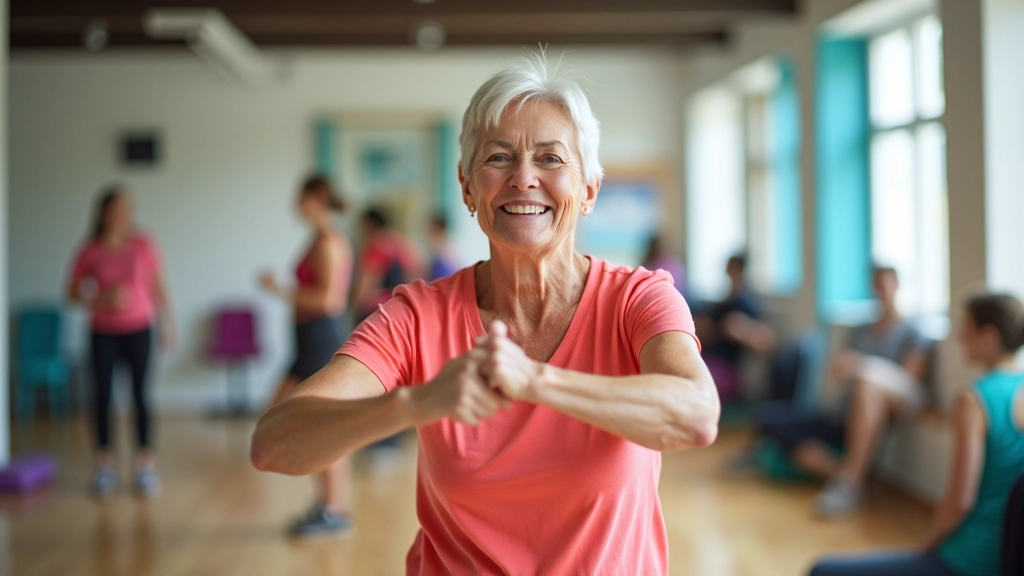
Why Your Doctor Recommends Dance
Most people don't realize that Latin dancing burns serious calories. We're talking 300-500 per hour depending on intensity. That's comparable to moderate jogging, except you're actually enjoying yourself and learning something new.
The movement patterns in salsa, merengue, and bachata aren't random — they're scientifically designed to engage your core, improve balance, and strengthen your legs. Plus, the constant partner connection forces you to stay focused and present, which means better form and fewer injuries.
Key Benefit
Latin dance improves cardiovascular health, joint flexibility, and balance — three critical factors for staying active and independent as we age.
Understanding Your Body's Response
When you dance, your body goes through several physiological changes. Your heart rate increases, muscles engage across your entire body, and your stabilizer muscles — the small ones that keep you balanced — activate constantly. This isn't happening in isolation.
The rhythm work trains your nervous system. You're processing music, anticipating your partner's movements, and adjusting your body in real-time. That's serious cognitive engagement. Combined with the physical effort, you're getting a complete workout that actually feels social and fun.
Studies show that people who dance regularly have better bone density, improved posture, and stronger knees and hips. The low-impact nature means you're protecting your joints while strengthening them — exactly what you need at any age.
The Practical Fitness Building Blocks
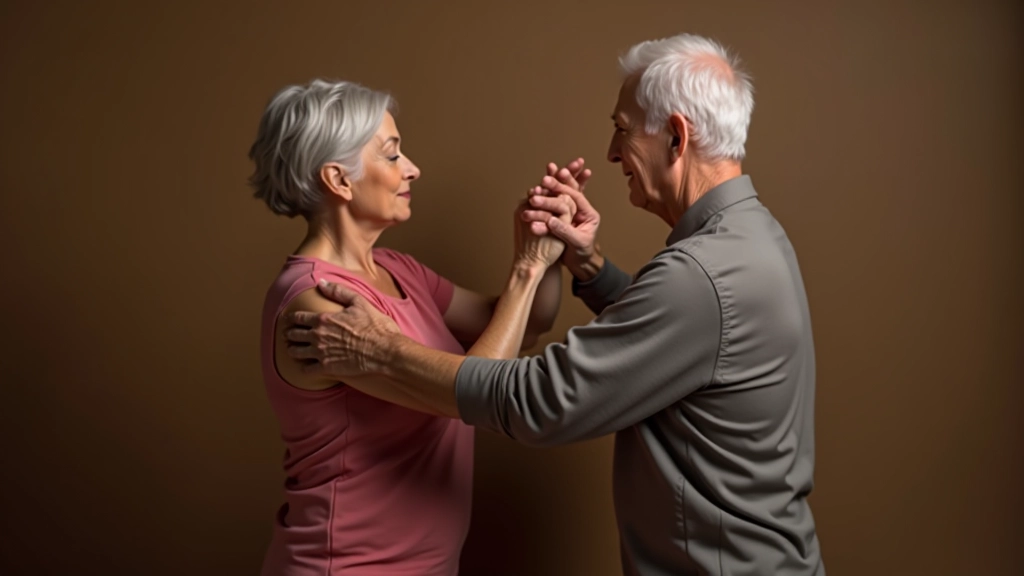
You don't need to overthink fitness if you're dancing regularly. The movement naturally builds strength. Start with basic steps. Two sessions per week for 6-8 weeks and you'll notice real changes — your legs will feel stronger, your balance will improve, and you won't get as winded climbing stairs.
Here's what's happening: salsa builds your calf muscles and hip flexibility. Merengue emphasizes hip mobility and core stability. Bachata develops your ability to move smoothly while staying connected, which trains smaller stabilizer muscles. Rotating between different styles means you're getting balanced development.
The key is consistency. You'll progress faster with regular practice than sporadic intensive sessions. Two sessions weekly beats one long session because your body adapts better to steady stimulus.
Practical Tips for Maximum Fitness Gains
These aren't theory — they're things that work if you actually apply them.
Warm Up Properly
Five minutes of walking and basic stretching before dancing prevents injury. Your body needs preparation. Hip circles, shoulder rolls, and ankle rotations take two minutes but make a huge difference.
Focus on Core Engagement
Most of your power comes from your core, not your legs. Keep your abdominals slightly engaged throughout the dance. You'll notice smoother movement and less back strain.
Master Weight Transfer
Good dancers move weight completely from one foot to the other. This isn't just about looking smooth — it's what prevents knee pain. Commit your weight fully with each step.
Stay Hydrated
You'll sweat more than you expect. Drink water before, during, and after dancing. Dehydration reduces performance and recovery.
Increase Intensity Gradually
Don't jump into advanced choreography immediately. Build your foundation with basic steps for 4-6 weeks before adding complexity. Your joints will thank you.
Stretch After Dancing
Cool down for five minutes. Hold stretches for your calves, hamstrings, hips, and shoulders for 20-30 seconds each. This prevents soreness and keeps you flexible.
What to Expect: Your First 12 Weeks
Real progression, not marketing promises. Here's what actually happens when you commit to dancing.
Weeks 1–2
Getting Started
You'll feel muscle soreness (normal). Your body's adapting to new movement patterns. Breathing feels harder than expected. Keep showing up — this passes.
Weeks 3–6
The Shift
Soreness decreases. Your legs feel stronger. Basic steps start feeling natural. You notice you're not as winded. This is where consistency pays off.
Weeks 7–12
Real Change
Balance improves noticeably. You can dance longer without tiring. Partner connections feel smoother. Your posture outside of dance improves. People might comment on how you're moving differently.
The Real Advantage
Dancing works for fitness because you're not focused on "getting a workout." You're learning something, connecting with people, and having fun. That means you'll actually stick with it. Most traditional exercise programs fail because people get bored. Dancing doesn't have that problem.
Start with two sessions per week. That's it. You don't need a complicated plan. Show up consistently, focus on form, and let the fitness follow naturally. In three months, you'll be stronger, more flexible, and genuinely surprised at what your body can do.

Important Note
This article is for informational purposes only. Dancing provides physical activity and can support overall wellness, but it isn't a replacement for medical advice. If you have existing joint conditions, heart concerns, or haven't exercised regularly, consult with your doctor before starting a dance program. Every person's body is different, and professional guidance ensures you're training safely.
Related Articles